 sourdoughy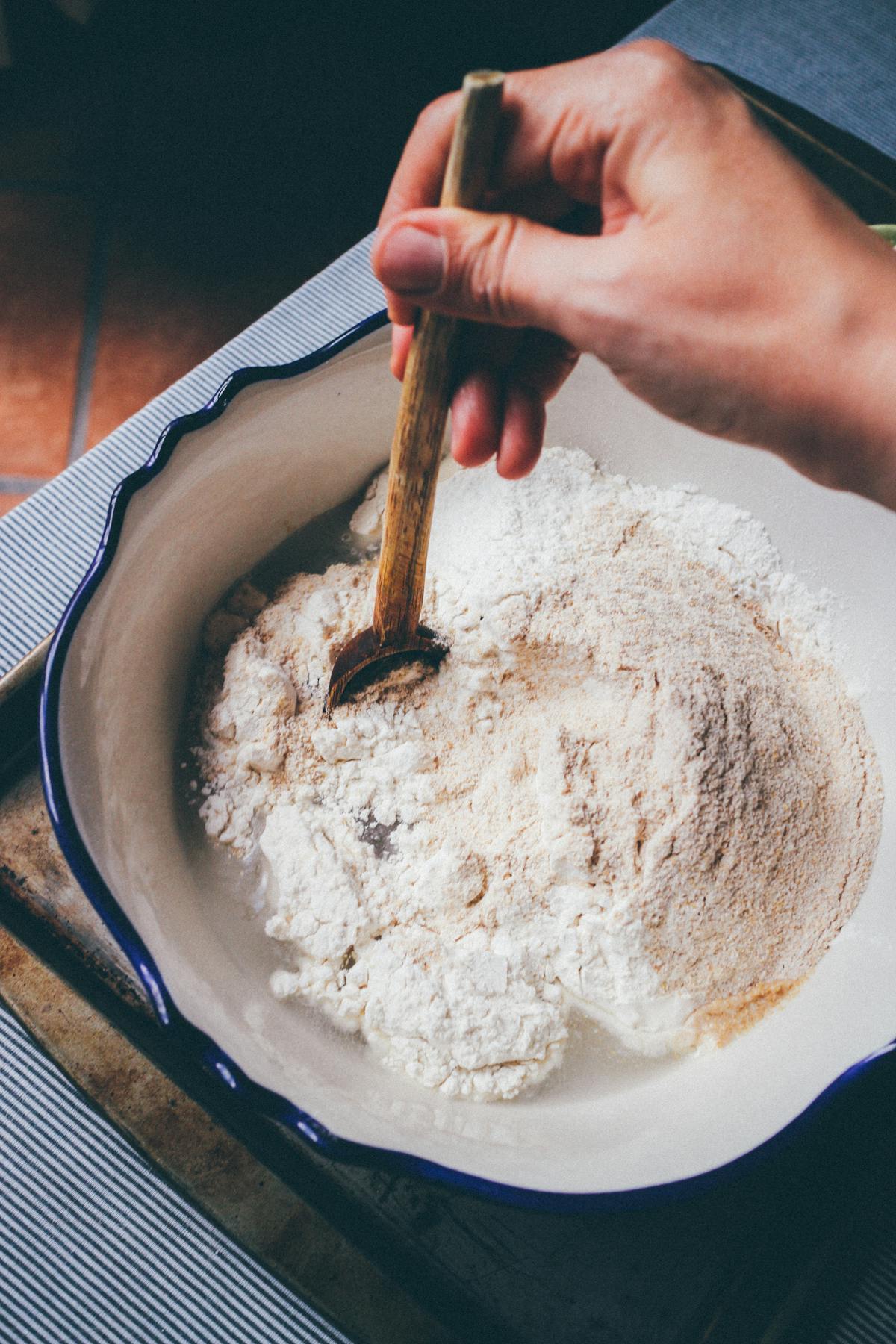
How to Create a Sourdough Starter from Scratch
Creating a sourdough starter from scratch takes about 5–7 days. You need just flour and water—the wild yeasts and bacteria are already in the air and on the flour.
Day 1: Initial Mix
- Mix 50g whole wheat flour (or rye flour) with 50g warm water (about 28–30°C / 82–86°F)
- Stir until no dry flour remains. The mixture should be thick like pancake batter
- Cover loosely (not airtight) and leave at room temperature (20–24°C / 68–75°F) for 24 hours
Days 2–5: Daily Feedings
- Discard half of your starter (about 50g)
- Add 50g bread flour and 50g warm water (1:1:1 ratio)
- Mix well, cover loosely, and leave at room temperature
- You may see bubbles forming and a slightly sour smell—this is normal!
Days 6–7: Signs of Life
- Your starter should double in volume within 4–6 hours after feeding
- Look for lots of bubbles throughout and a domed, rounded top
- It should smell pleasantly tangy, not rotten or off-putting
Pro tip: If your starter isn't doubling after 7 days, try feeding it twice a day, use warmer water (30–32°C), or place it in a slightly warmer spot. Whole grain flours (whole wheat, rye) help kickstart fermentation faster.
Once your starter doubles reliably, use it in our recipe builder to bake your first loaf. See our starter ratio guide for feeding and maintenance.
Disclaimer: Baking results vary based on flour type, ambient temperature, starter health, and technique. Use this guide and our sourdough hydration calculator as a starting point, then adjust to your conditions.
Ready to calculate? Use our free sourdough hydration calculator to get exact ingredient weights for your next bake.